One of the world’s most distinguished and widely distributed journals devoted to archaeology, the AJA has set the standard for archaeological scholarship since 1885.
_______________________
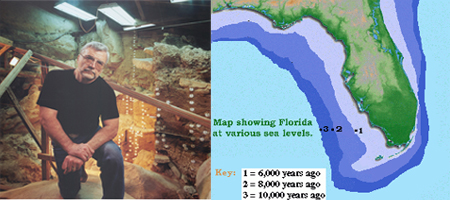
The First Floridians:
Early Humans on the Submerged Gulf Coast of Florida
Dr. James M. Adovasio
September 2012
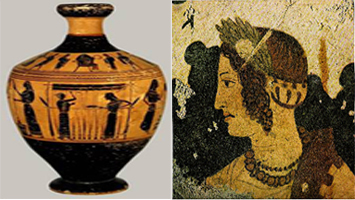
Weaving as Worship
Reconstructing Ritual at the Etruscan Site of Poggio Colla (Vicchio)
Dr. Gretchen E. Meyers
February 2013

The Da Vinci Code, Templars, and Archaeology
Dr. Michael Fuller
November 2013
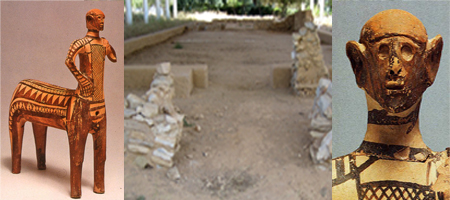
Out of the Dark:
Lefkandi in Euboea 1200 BC
Dr. Irene Lemos
February 2014
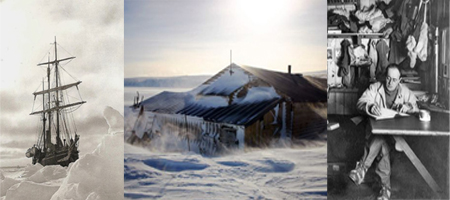
“To strive, to seek, to find, and not to yield”: Preservation of the Early Explorer’s Bases in the Ross Sea Region of Antarctica
Susanne Grieve
April 2014

Early Humans in the Americas:
When Did They Arrive and
Where Did They Come From?
Dr. Steven R. Holen
October 2014

Welcome to the South Florida Chapter of the
Archaeological Institute of America
The Archaeological Institute of America (AIA) is North America's oldest and largest organization devoted to the world of archaeology. The Institute is a nonprofit group founded in 1879 and chartered by the United States Congress in 1906. Today, the AIA has nearly 210,000 Members and more than 100 Local Societies in the United States, Canada, and overseas. AIA South Florida is one of four chapters in the state of Florida. Our members include professional archaeologists, corresponding members, students, and enthusiasts, all united by a shared passion for archaeology and its role in furthering human knowledge.
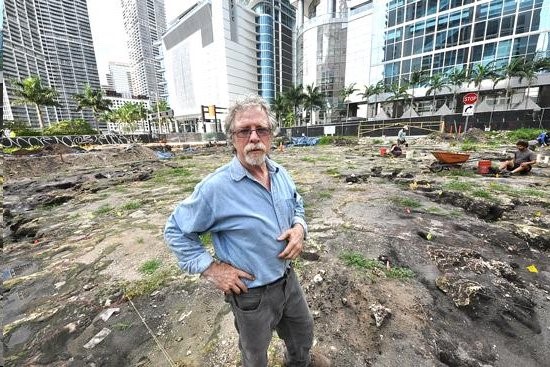
Digging in Circles:
Miami’s Prehistoric Legacy
Robert S. Carr
Saturday 3 PM, February 21, 2026
The Palm Beach Museum of Natural History
10300 Forest Hill Blvd., Suite 172, Wellington FL 33414
Archaeological excavations at Brickell Point in 1998 uncovered a circle of postholes and cut basins into the limestone bedrock measuring 11.2 meters in diameter. Within the floor of the feature were the skeleton of a shark, the cranium of a bottle-nosed dolphin, and the shell of a sea turtle – all aligned in an east – west axis. Artifacts included numerous non-local materials such as basaltic celts from the Appalachian Mountains, copper from the Mid-West, galena, and other exotic artifacts.
Since that discovery twelve other circles have been uncovered at the mouth of the Miami River. Radiocarbon dates of AD 200-700 indicate that this complex was a major town and trade center 1500 years before the creation of the City of Miami. The evidence of thousands of postholes indicates likely elevated structures paralleling the river. Other postholes may have been supports for extensive fishing nets stretched for mending and to dry. These remains are associated with the Tequesta who, like the Calusa, were a stratified society that did not practice agriculture, and like the people of the Northwest, created a complex society based on maritime resources. The results of excavations at the mouth of the Miami River from 1980 to present provide a view of a previously little known site complex that is the southernmost prehistoric trade center in the United States.
Bob Carr was Dade County’s first archaeologist, later historic preservation director, and held the position at a time when redevelopment efforts unearthed dozens of archaeological sites, including the Miami Circle, found in 1998.
If you would like to become a member of AIA South Florida, or just want to be notified about upcoming meetings, please send us an email through the Museum's Contact page. Not a member yet? Come join us for the 2017-18 lecture series as our guest, you are welcome!
Our award-winning popular magazine enters its seventh decade of publication committed to bringing the excitement of archaeological discovery to a popular audience.
_______________________
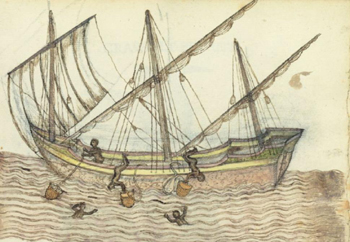
Atlantic Ais in the Later 17th Century: English Buccaneers, Spanish Silver, and Indigenous Divers from Florida
Peter Ferdinando
November 2014
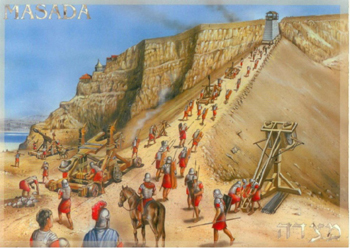
Endgame: The Siege of Masada
From The Roman Perspective
Dr. Gwyn Davies
February 2015
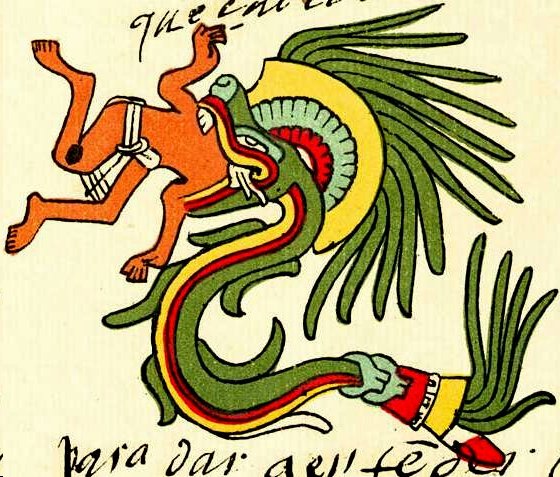
The Dragons of Ancient Mexico
Dr. John Pohl
February 2016
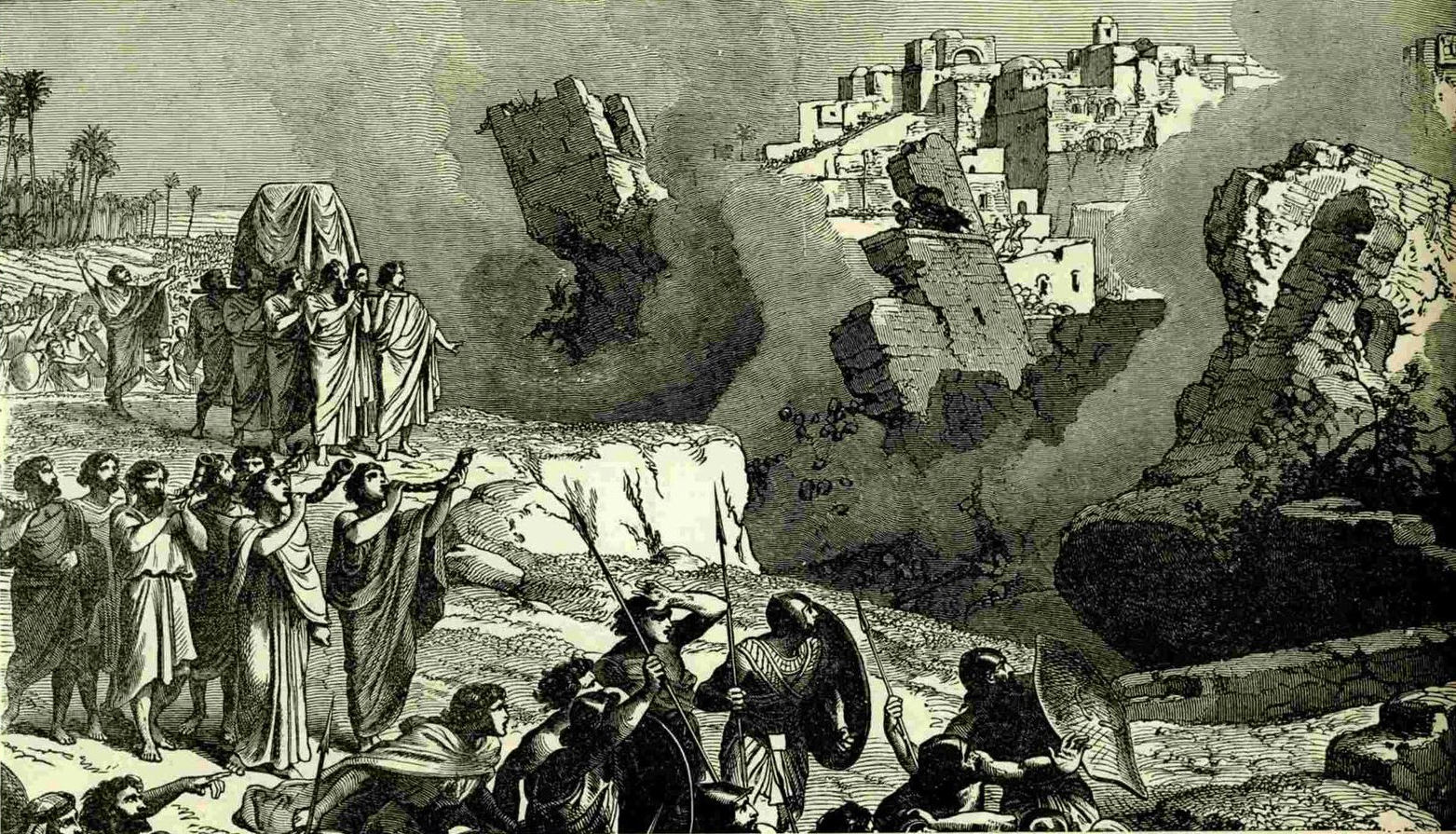
Archaeology in Palestine:
New insights into Biblical Archaeology – a view from ancient Jericho
Dr. Lorenzo Nigro
April 2016
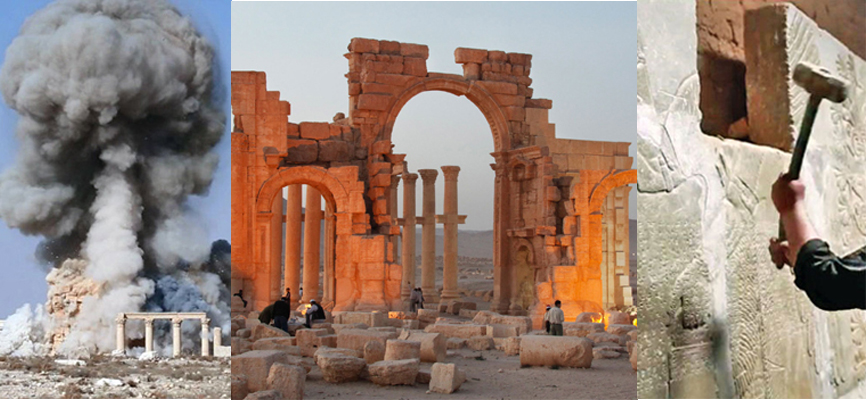
Rebooting Antiquity: How Holy Wars, Media Hype, and Digital Technologies are Changing the Face of 21st Century Archaeology
Dr. Neil Silberman
March 2017
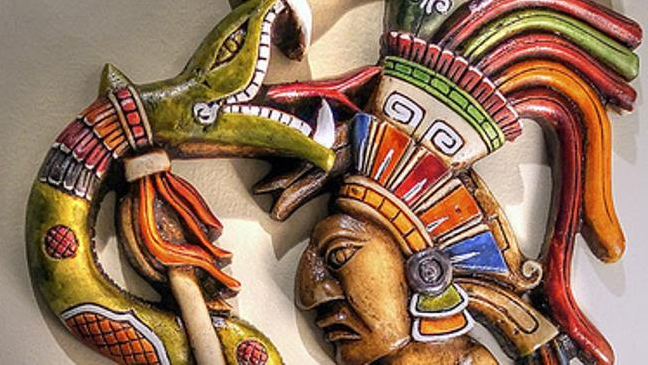
Snake Queens of Waka:
Royal Women of the Snake Realm
Dr. Olivia C. Navarro-Farr
October 2022